Half inspiration, half instruction. Written for people doing the work themselves as much as for those commissioning it.
Featured · Color theory
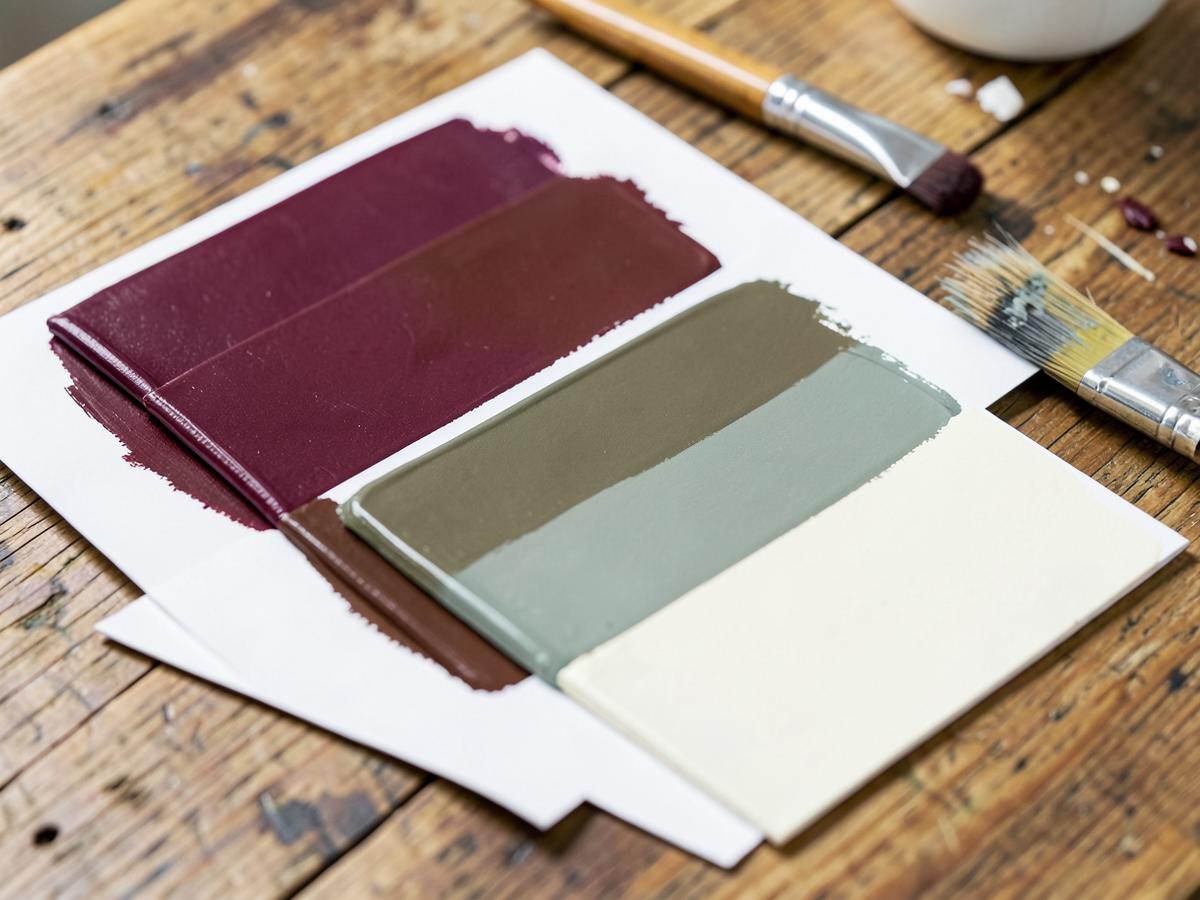
Four swatches are enough
A whole-house palette rarely needs more than a deep anchor, a mid tone, a warm neutral and a near-white. Here's how to choose the four and how to let them repeat from room to room without going flat.
10 min read
Light
7 min read
The science of light in Fall and Winter, lower, deeper, shorter
During the spring and summer, the sun rides high in the sky, casting direct light straight down onto your roof and windowsills. But in the fall and winter, the earth tilts away from the sun. This changes outdoor lighting in three distinct ways:
The Low-Angle Arc: The sun travels along a much lower path across the southern horizon. Instead of shining down from above, sunlight now approaches your home from a sharp, horizontal angle.
Elongated Shadows: Because the sun is low, any obstruction—neighboring houses, fences, or evergreen trees—casts shadows that stretch up to three times longer than they do in July.
Shifted Directional Focus: South-facing windows become the stars of the season, receiving a massive influx of direct, low-angled light. Meanwhile, east and west rooms experience significantly shorter windows of direct sun, and north-facing rooms rely entirely on cool, dim ambient light.
How the Winter Sun Transforms Your Interiors
This shift in solar geometry completely changes how light interacts with your furniture, paint colors, and daily living spaces.
Window Direction
Summer Light Behavior
Winter Light Behavior
South-Facing
High sun, hits windowsills only
Low sun, penetrates deep into room
North-Facing
Bright, consistent indirect light
Cool, dim, and shadowy
East & West
Intense, hot morning/evening sun
Short, weak bursts of direct light
1. Deeper Light Penetration (The South-Facing Bonus)
Because the sun sits low, its rays can travel deep into south-facing rooms. Sunlight that used to stop at your windowsill in July might now stretch all the way across your living room floor, illuminating back corners that are usually cast in shadow. This brings natural, passive solar warmth right into your living space.
2. The Rise of Eye-Level Glare
While deep light is beautiful, its horizontal angle creates a major design challenge: harsh eye-level glare. Sunlight that once hit the floor now shines directly into your eyes while you are sitting at the dining table, watching TV, or working at your home office desk.
3. Amplified Dark Zones
Rooms that rely on north-facing windows or have deep architectural overhangs (like covered porches) can feel incredibly dark in the winter. Because there is less ambient sky brightness overall, rooms without a direct southern exposure often fall into a gloomy shadow.
4. Shifting Color Temperatures
The quality of winter light is highly unpredictable. On clear days, the low sun casts a warm, golden, amber glow. On overcast days, the light turns a flat, cool slate blue. This can make your carefully chosen interior paint colors look drastically different from morning to afternoon.
Decor Strategies to Optimize Your Winter Interior
You don't have to live in a dim or blinding environment until spring. With a few strategic decor adjustments, you can embrace the unique beauty of winter light.
Layer Your Window Treatments: Swap heavy, dark drapes for a combination of sheer curtains and privacy blinds. Sheers are perfect for winter because they diffuse the blinding, low-angled glare without blocking the precious daylight your home needs.
Rearrange for the Sun: Take a weekend to track the sun's path through your favorite rooms. Move your home office desk or TV out of the direct line of fire of that low horizontal glare. Conversely, move your favorite reading chair directly into those warm, deep pools of south-facing light.
Multiply Light with Mirrors: Place large mirrors on walls directly opposite your south-facing windows. The mirrors will catch the deep-penetrating winter light and bounce it back into the darker, recessed corners of the room.
Warm Up Your Artificial Lighting: To combat gray, overcast winter days, look at your lightbulbs. Switch out cool daylight bulbs (5000K) for bulbs with a warm white rating (2700K to 3000K). This mimics the cozy, golden hue of a late autumn afternoon and keeps your space from feeling clinical.
By adapting your decor to the natural rhythm of the seasons, you can transform your home into a bright, cozy sanctuary that embraces the distinct beauty of winter time light.
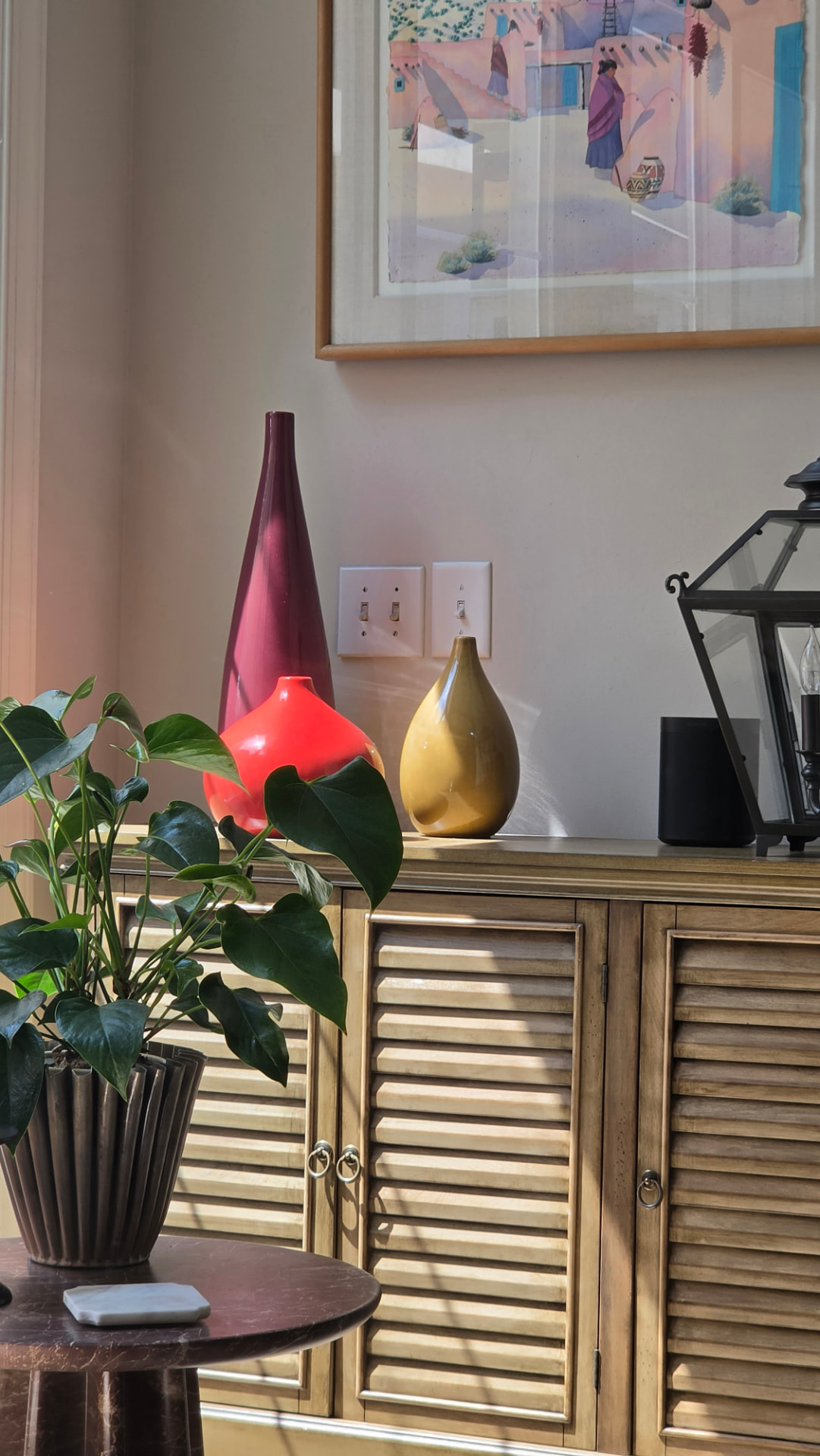
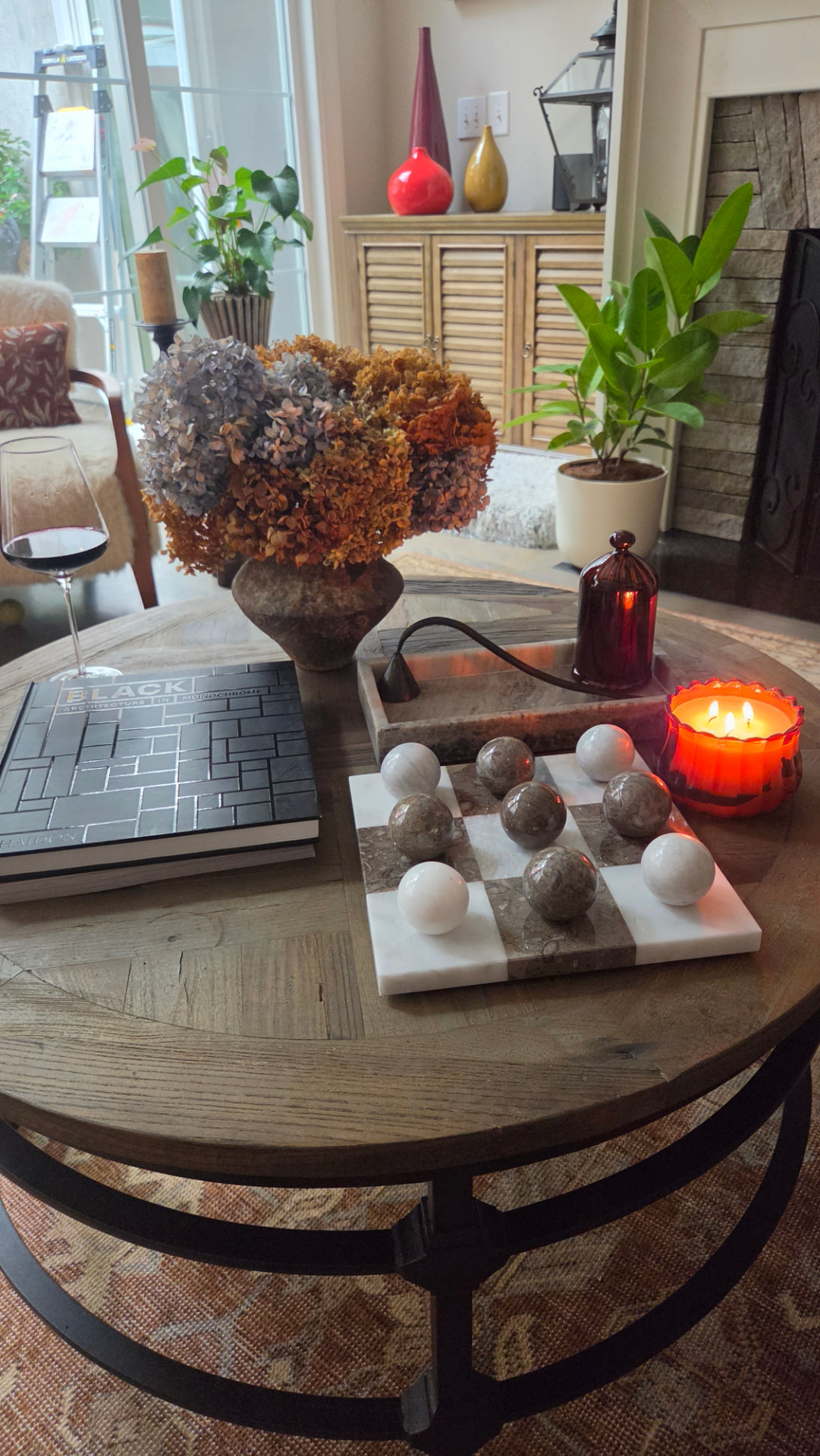
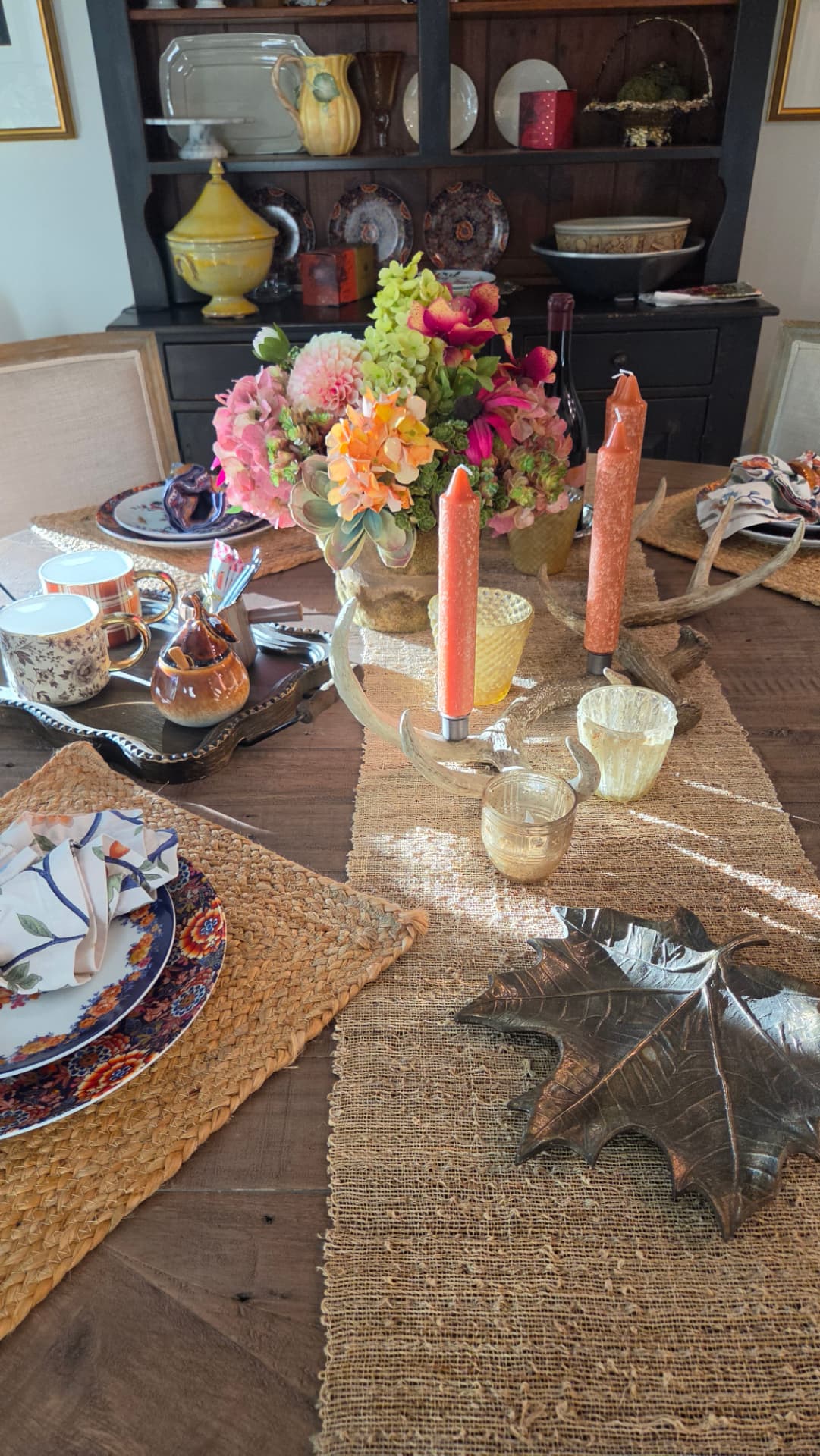
The low-angle arc: warm, horizontal light that reaches deep into the room. In this case a south facing room with floor to ceiling windows.Layered textures and warm bulbs (2700K) carry the room through gray afternoons. And never underestimate the quiet luxury of candles.Early morning light and layered settings: a dining room dressed for the season's shorter days. This is a north facing room.
Color theory
6 min read
Why your white keeps turning gray
Undertones do most of the work in a neutral room. A short guide to reading a white before you commit a whole hallway to it.
Understanding exactly why off-whites turn gray is the key to fixing your space and ensuring your next paint project is a success.
1. The Hidden Black Tint in 'Pure' Paints
The first culprit behind the accidental graying of America's homes happens inside the paint shaker. Many homeowners assume that a "pure" white or a baseline off-white is just a bucket of blank base paint. In reality, almost every commercial off-white paint formula contains a drop or two of black colorant, and even pure white tint bases are shaded with black. This helps the paint "hide" better, as the purest whites would be less opaque.
Paint manufacturers add black or gray tints to down-regulate the brightness of raw titanium dioxide. This keeps the paint from looking blindingly clinical or like cheap primer. On a small 2-inch swatch, this black tint is invisible to the naked eye. However, when you magnify that formula across 400 square feet of drywall, those microscopic drops of black pigment aggregate, casting a shadow across the entire room.
2. The Tyranny of North-Facing Light
Light is the single most dominant factor in how a color behaves on your wall. If your problematic room has north-facing windows, your off-white never stood a chance.
North-facing rooms receive no direct sunlight. Instead, they are flooded with cool, indirect light cast from the blue sky. This cool illumination behaves like a physical filter, actively subtracting warmth from your walls. When this chilly light hits a delicate off-white paint, it neutralizes any warm cream or beige undertones and instantly exaggerates the blue, violet, or gray bases. If your paint has even a fraction of gray in its formula, north-facing light will drag it straight into shadowy, dingy territory.
Conversely, south-facing rooms enjoy warm, golden sunlight all day, which naturally coaxes out the creamy, inviting qualities of a paint. This is why the exact same can of paint can look like a cozy embrace in a south-facing kitchen and a cold slab of stone in a north-facing bedroom.
3. Low Light and the 'Shadow Effect'
Even if your windows face east or west, the amount of light your room receives matters just as much as the direction. Off-white paint requires active illumination to bounce off its surface to read as "white".
When a room suffers from low natural light—whether due to small windows, a covered porch, or overhanging trees—the walls are cast into perpetual shadow. Because off-whites have high Light Reflectance Values (LRV), they are highly sensitive to shadows. Instead of magically brightening a dark room, a pale off-white will simply reflect the darkness, turning a muddy, unappealing shade of gray.
4. Environmental Reflections and Color Bleed
White walls are highly reactive chameleons. Because they lack a strong pigment of their own to anchor them, they act as massive projection screens for the colors surrounding them.
Your paint might be turning gray because of what is happening outside or inside the room:
The Backyard Jungle: If you have large, leafy green trees right outside your window, the sunlight passing through them will bounce a green-gray tint directly onto your white walls.
The Asphalt Driveway: A window facing a gray asphalt driveway or a gray neighbor's house can throw cool, gray reflections indoors.
Interior Elements: Dark charcoal furniture, blue rugs, or cool-toned fabrics inside the room will cast their own shadows, dulling the crispness of your off-white walls.
5. Your Light Bulbs Are Sabotaging You
If your walls look perfect at 2:00 PM but turn a depressing shade of slate at 7:00 PM, look up at your ceiling. Many modern homes are outfitted with daylight or cool-white LED bulbs (typically rated 4000K to 5000K). While these bulbs are great for task lighting in a garage or workspace, they emit a sharp, blue-skewed spectrum. Just like north-facing daylight, these cool bulbs will aggressively wash out the warmth of your paint, making even the most popular "warm neutrals" look like sterile gray. Opt for warm-white LED bulbs in the range of 2700 to 4000.
How to
8 min read
Painting a dark wall without patchiness
Tinted primer, a loaded roller and patience between coats. The order of operations that makes deep pigment sit flat and even.
Finishes
5 min read
Matt, eggshell, and where each belongs
Sheen changes a color more than most people expect. Choosing by room, by traffic, and by how much light you're working with.
Sourcing
7 min read
Building a paint palette from one object
A rug, a painting, a piece of stone. Start from something you already love and let the rest of the scheme follow it.
Write your own posts here — a title, a lead image and a few hundred words is enough to publish.